Aug 9: Why stomping works better than stopping a hit
Good morning. Physical frustration often needs a safe outlet rather than a hard stop.
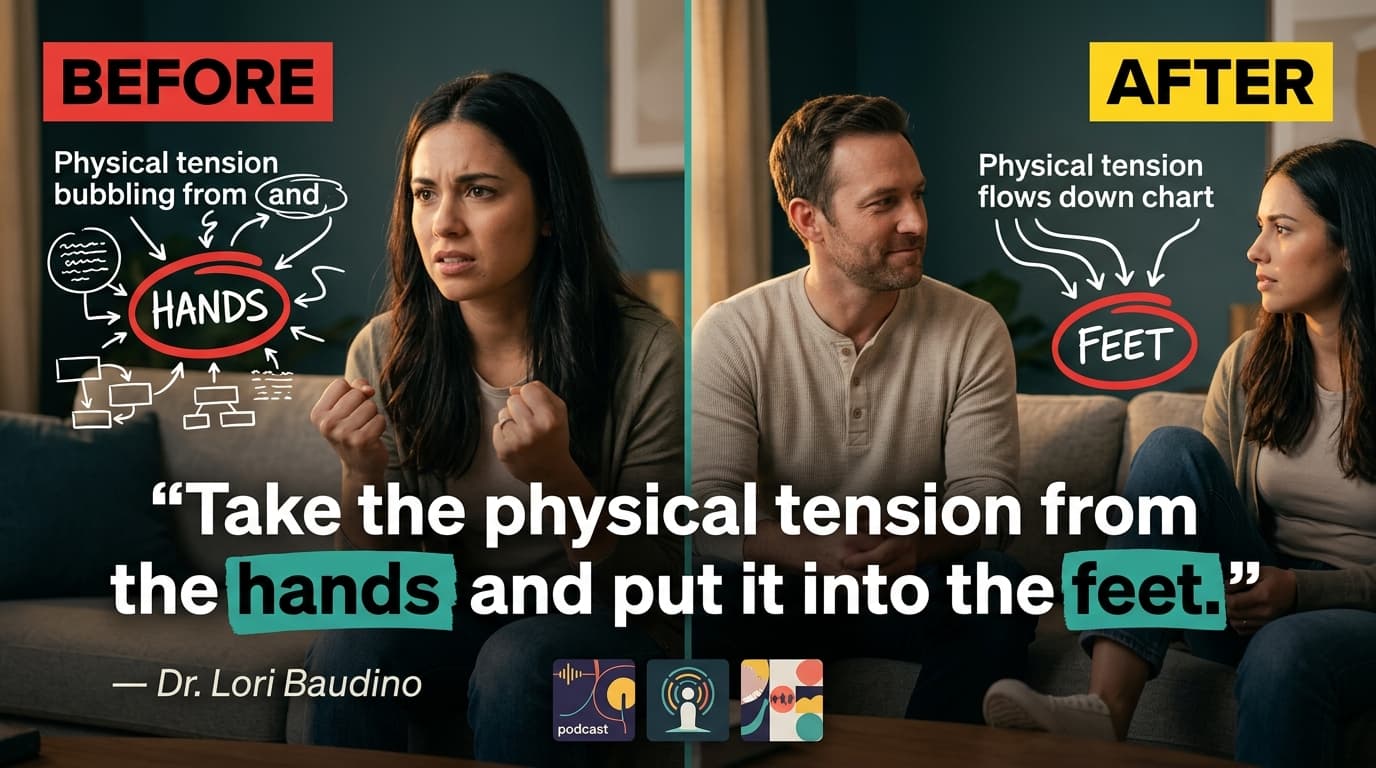
When a dysregulated child starts hitting, traditional discipline usually demands an immediate hard stop—which often escalates the situation. Clinical psychologist Dr. Lori Baudino suggests a different approach: body-part redirection. By shifting that aggressive energy from the hands to the feet, parents can honor the physical need for release safely.
Little kids pick
A clinical de-escalation strategy that honors a dysregulated child's need for physical release by redirecting aggressive energy to a safe outlet.
Discipline
Body-part redirection for hitting
When a child is hitting, redirect the physical energy to a different body part, like stomping their feet, or a safe surface, like a drum.
Why it matters: Traditional discipline often focuses on stopping the behavior entirely, which can escalate a dysregulated child who needs a physical release.

For: Parents of children who express frustration through hitting or physical aggression.
“If they are moving with this hitting or harmful way, we can look to move in different parts of our body. So we take it from our hands and we might put it in our feet. We might really stomp.”
ApproachAggressive energy often needs an outlet rather than a hard stop; shifting the movement to a safe body part honors the physical need.
TPP 104b: Dr. Lori Baudino on the Power of Movement, Dance, and the Mind/Body Connection · Aug 7, 2026
Big kids pick
Provides a concrete, face-saving script for teens to decline unwanted social invitations without resorting to the cruelty of ghosting.
Communication
The parent-blame friendship exit strategy
If your child wants to distance themselves from a peer, advise them to reply and blame you for being busy rather than ghosting.
Why it matters: Kids need concrete scripts to avoid the cruelty of ghosting or last-minute cancellations.

For: Parents of tweens and teens navigating unwanted friendships
“if that's happening, I think one strategy that can help is to blame the parent. You know, to be like, we're really busy tonight, I'm sorry... And answering, right?”
ApproachKids often ghost peers because they lack the tools to decline invitations; offering yourself as the scapegoat provides a polite out.
283: ENCORE: Best of Ask Lisa: Friendship Breakups & Conflict · Aug 4, 2026
Today's Parenting Tips
Actionable advice distilled from this week's parenting podcasts.
Discipline
Body-part redirection for hitting
When a child is hitting, redirect the physical energy to a different body part, like stomping their feet, or a safe surface, like a drum.
Why it matters: Traditional discipline often focuses on stopping the behavior entirely, which can escalate a dysregulated child who needs a physical release.
Communication
The parent-blame friendship exit strategy
If your child wants to distance themselves from a peer, advise them to reply and blame you for being busy rather than ghosting.
Why it matters: Kids need concrete scripts to avoid the cruelty of ghosting or last-minute cancellations.
Relationships
Direct scripts for peer boundary setting
Equip your child with specific scripts to set boundaries with peers, such as saying, "That may be funny to you, it's not funny to me."
Why it matters: Children are increasingly accepting poor treatment from peers as normal; they need explicit permission and language to demand respect.

Health & Wellness
The Silent Vegetable Strategy
Stop lecturing kids about eating vegetables; instead, silently place a shared plate of cut veggies and dip on the table when they come home hungry.
Why it matters: Over 90% of adolescents fail to meet the minimum daily intake of fruits and vegetables.
Health & Wellness
Four to six month bedtime routine shift
Around four to six months, shift bedtime earlier to 7 or 8 PM and move the feeding step before the bath and final song.
Why it matters: Sleep needs and associations change dramatically around four to six months, requiring a more structured wind-down.

Relationships
Clinical definition of bullying versus conflict
Psychologists define bullying strictly as when a child is targeted and unable to defend themselves; everything else, including mutual meanness, is considered conflict.
Why it matters: Accurate labeling helps parents and schools apply the right interventions.
Relationships
Partner accountability for delegated tasks
When you delegate a task like packing school lunches to a partner, redirect any corrective phone calls from the school directly to them.
Why it matters: Women are frequently judged for their partner's parenting mistakes, leading them to reclaim delegated tasks rather than letting the partner learn.

Emotional Regulation
Modeling Healthy Anger Processing
Stop hiding your own anger from your children; letting them see you experience and safely process frustration teaches them that anger is normal.
Why it matters: Children learn emotional regulation primarily through observation; seeing a parent safely navigate anger provides a real-time blueprint.

Relationships
Friendship bullseye for relationship expectations
Have your child draw a friendship bullseye with rings for best friends, acquaintances, and followers to help them set appropriate expectations for different relationships.
Why it matters: Kids are increasingly mislabeling relationships, leading to disappointment when acquaintances do not act like close confidants.
Emotional Regulation
Hypervigilance as a barrier to infant bonding
Parents struggling to bond with their infants are often stuck in hypervigilance mode, where the brain prioritizes threat detection over emotional connection.
Why it matters: Understanding the biological hierarchy of safety over connection helps parents target the root cause of bonding issues.

Discipline
Tolerating Imperfect Household Chores
Resist the urge to re-fold towels or reorganize the dishwasher after your child completes a chore, as fixing their work teaches reliance.
Why it matters: Parental perfectionism often inadvertently stunts a child's independence and willingness to contribute to the household.
Communication
Using Sleeps to Explain Custody Time
Because toddlers lack abstract reasoning, explain custody durations using concrete markers like 'sleeps' instead of days or nights to reduce transition anxiety.
Why it matters: Toddlers have no concept of time; using abstract measurements like hours or days increases their insecurity about when they will see you again.

Relationships
Simultaneous identity building and parental support
A 2005 study of 2,800 youth found that teenagers build independent identities while still leaning on parents, meaning extreme rebellion is not required for development.
Why it matters: Understanding that identity formation and parental reliance happen concurrently reduces the panic parents feel when their teens begin to pull away.
Emotional Regulation
Gradual exposure for school drop-off
Instead of letting an anxious child stay home, use gradual exposure by walking them halfway to the door one week, then to the front door.
Why it matters: Clinical exposure therapy principles can be applied to everyday parenting challenges to build long-term capability.
Education
Star Trek analogy for teen brain development
UCLA neuroscientist Adriana Galván compares the teen brain to Star Trek, noting the impulsive limbic system develops years before the logical prefrontal cortex takes control.
Why it matters: The prefrontal cortex does not fully develop until the mid-20s, meaning parents must act as the logical anchor during the teenage years.
Emotional Regulation
Pattern interrupt for toddler meltdowns
To stop an inconsolable toddler meltdown, abruptly shout a random word or point out a sudden noise to break their thought pattern.
Why it matters: Toddler meltdowns can be overwhelming, and traditional soothing often fails when they are fully dysregulated.

Emotional Regulation
The three-question school anxiety plan
Before school starts, ensure your child can answer three specific questions: who can help me, where can I go, and what can I do.
Why it matters: Uncertainty is a primary driver of anxiety; answering these three questions removes blank spaces where worst-case scenarios thrive.
Special Needs
Managing After-School Neurodivergent Burnout
Treat after-school anger in neurodivergent children as a sign of sensory and cognitive depletion rather than misbehavior, and immediately reduce environmental demands.
Why it matters: Recognizing anger as a capacity mismatch prevents parents from punishing a child for neurological exhaustion.
Health & Wellness
Systematic reduction of OCD parental accommodations
Stop performing physical workarounds for your child's OCD, like opening doors or tying shoes, and instead systematically reduce your accommodations using the SPACE approach.
Why it matters: Parents often become entirely enmeshed in their child's OCD rituals, requiring structured frameworks like SPACE to safely detach.

Communication
The HEAR disagreement framework
De-escalate family conflicts using the HEAR framework: Hedge statements, Emphasize agreement, Acknowledge their point by restating it, and Reframe negatives into positive requests.
Why it matters: Replacing dogmatic claims with softer, more accurate language prevents the other person from shutting down.

Health & Wellness
Newborn circadian rhythm sunlight exposure
To help a newborn differentiate day from night, expose them to morning sunlight by a window or outside starting on day one.
Why it matters: Setting the circadian rhythm early improves long-term sleep foundations and helps consolidate nighttime sleep.
By Stage
What each age group needs this week — patterns across multiple shows.
Health & Wellness
Rethinking Early Feeding and Sleep
Experts are moving away from rigid schedules and moralized food rules. Whether it is mixing purees with baby-led weaning or silently offering vegetables after school, the focus is shifting toward low-tension environments that respect a child's natural developmental pace.
Relationships
Scripting Social Boundaries
Clinicians are noticing that children increasingly lack the vocabulary to navigate peer conflicts. Providing rote scripts and visual frameworks equips kids to handle overbearing classmates and manage their own social expectations without parental intervention.
Emotional Regulation
Bypassing the Anxious Brain
Traditional soothing often fails during peak dysregulation. Psychologists are increasingly recommending pattern interrupts for toddlers and gradual exposure therapy for school-aged children to break anxiety loops, proving that action often works faster than verbal reasoning.
Expert Corner
When the psychologists and pediatricians weigh in with specifics.
The clinical threshold for bullying
Psychologists define bullying strictly as when a child is targeted and unable to defend themselves. Mislabeling mutual meanness as bullying changes how schools respond and prevents kids from learning conflict resolution.
Hypervigilance blocks infant bonding
Parents struggling to connect with their newborns are often stuck in a biological threat-detection mode. The brain prioritizes safety over emotional connection, meaning a lack of bonding is usually an anxiety symptom rather than a parental failure.
The Star Trek brain analogy
The impulsive limbic system develops years before the logical prefrontal cortex takes control. Visualizing your teenager as an impulsive captain without a logical first officer helps depersonalize their volatile behavior.
Real Talk
Honest moments from the mic — the stuff that made us nod along.
Redirecting the school phone calls
Mothers frequently absorb the mental load of a partner's parenting mistakes. Reclaiming your peace means forcing your spouse to field the corrective feedback directly from the teacher when they pack the wrong lunch.
Tolerating the messy towel fold
Kids will strategically underperform on household chores if they know your perfectionism will drive you to take over the task. Let the dishwasher be loaded wrong.
From the Conversations

Direct scripts for peer boundary setting
Episode 396: Capable Connections: Friendships with David and Sissy
Jul 28, 2026 · 27m · 2 quotes pulled
▶ Listen“Kids need permission and practice to say, I don't like that. That's not okay with me. That may be funny to you. It's not funny to me. I need some space”
“Children are increasingly accepting poor treatment from peers as normal; they need explicit permission and language to demand respect.”
No Guilt Mom | Overcoming Mom Guilt, Parenting Tips, & Self Care for Moms
Simultaneous identity building and parental support
Why Your Teenager Suddenly Can't Stand You (and Why That's a Good Sign)
Aug 6, 2026 · 36m · 2 quotes pulled
▶ Listen“What they found was both were moving the whole time, that identity being built for themselves and also leaning on parents for support... They don't have to break with you first in order to become someone.”
“Understanding that identity formation and parental reliance happen concurrently reduces the panic parents feel when their teens begin to pull away.”
Ask Lisa: The Psychology of Raising Tweens & Teens
Clinical definition of bullying versus conflict
283: ENCORE: Best of Ask Lisa: Friendship Breakups & Conflict
Aug 4, 2026 · 23m · 2 quotes pulled
▶ Listen“bullying is when a kid is targeted by another kid or a group of kids and is unable to defend themselves. Everything else we call conflict.”
“Accurate labeling helps parents and schools apply the right interventions.”
Sources
 ▶ Listen
Full-Tilt Parenting: Strategies, Insights, and Connection for Parents Raising Neurodivergent Children
TPP 104b: Dr. Lori Baudino on the Power of Movement, Dance, and the Mind/Body ConnectionDance/movement therapist Dr. Lori Baudino talks about how teaching differently wired kids to tap into the mind-body connection can help with emotional regulation, social communication, and more. Learn more about your ad choices. Visit podcastchoices.com/adchoices
 ▶ Listen
Ask Lisa: The Psychology of Raising Tweens & Teens
283: ENCORE: Best of Ask Lisa: Friendship Breakups & ConflictYour kid comes home devastated after being left out, dropped, or caught in the middle of a friendship blowup. You may want to help, but don’t know what to say—or whether you should step in at all. Take heart: this episode will help you navigate the situation with confidence. In this encore “Best of Ask Lisa” compilation, Dr. Lisa Damour has curated her most essential guidance on friendship conflict, bullying, and social drama — the stuff that can make the tween and teen years so painful for kids and so hard to watch as a parent. Whether your child is being targeted by peers, doing the excluding, or trying to navigate a friendship that's run its course, you'll walk away knowing exactly what to say and how to help them through it with calm, clarity, and compassion. 💡 YOU'LL LEARN: - The crucial difference between bullying and conflict, and why getting this distinction right will change how you respond - Why middle schoolers are so prone to cruelty, and how anxiety about belonging makes meanness a fast track to social power - How excluding, icing out, and rumor-spreading work as a form of relational aggression — and why kids sometimes gang up to push someone out - Why social behaviors that used to peak in 7th and 8th grade are now showing up in 9th and 10th grade, and what the pandemic has to do with it - What to actually say to your kid when they've been left out or dropped, including how to offer a sense of perspective without dismissing how awful it feels Social challenges are some of the most painful experiences of adolescence. But there’s a lot you can do to help. ________________GET DR. DAMOUR'S FREE WEEKLY NEWSLETTER Guidance, strategies, and tips delivered straight to your inbox → https://drlisadamour.com/sign-up-for-my-newsletter/ DR. DAMOUR'S BESTSELLING BOOKS - Untangled: Guiding Teenage Girls Through the Seven Transitions into Adulthood – https://bit.ly/UntangledBook - Under Pressure: Confronting the Epidemic of Stress and Anxiety in Girls – https://bit.ly/UnderPressuretheBook - The Emotional Lives of Teenagers: Raising Connected, Capable, and Compassionate Adolescents – https://a.co/d/cbOmTKp UNTANGLING 10TO20 MEMBERSHIP Premium courses & resources for teens and the adults who care for them → https://lnkd.in/gr52MB-F VISIT DR. LISA'S WEBSITE → https://drlisadamour.com/ ________________ Today's sponsors: Jones Road Beauty: Use the code ASKLISA for a free full sized Mascara with your first purchase at https://www.jonesroadbeauty.com. LMNT: Receive a free 8-count Sample Pack of LMNT's most popular drink mix flavors with any purchase at https://drinklmnt.com/asklisa. Rocket Money: Join at https://www/RocketMoney.com/ASKLISA Simple Practice: Sign up for a free 7-day trial, and get 50% off your first three months at https://www.simplepractice.com. ________________ Ask Lisa: The Psychology of Raising Tweens & Teens is the essential podcast for parents seeking expert guidance, tested strategies, and psychological insights on raising kids, especially tweens and teens. Join renowned clinical psychologist Dr. Lisa Damour and former journalist and mom of two Reena Ninan as they explore real-life parenting challenges. Looking to learn more about how to boost kids’ resilience, build their confidence, or support their emotional well-being? Dr. Lisa and Reena have got you covered! Together they address listener questions about stress, anxiety, social media concerns, school pressures, and challenges in peer relationships. Each episode provides practical advice and science-backed solutions to help parents raise resilient, confident, and emotionally healthy kids. Tune in every week for the latest topics in parenting, child psychology, and family wellness. Get answers to your most pressing parenting questions. New episodes drop every Tuesday. ________________ Episode keywords: friend group dumped, kids friendship breakup, middle school social drama, tween friend problems, teen friend group conflict, child excluded by friends, iced out friend group, middle school bullying, relational aggression kids, how to help child with friend drama, friendship breakup tween, kids mean friends, middle school cliques, how to drop a friend, tween friendship problems, tween social drama, middle school friend group, how to help excluded child Podcast keywords: ask lisa podcast, dr lisa damour, reena ninan, psychology, parenting, podcast, teens, tweens, parenting teens, parenting tweens, teen parenting, tween parenting, parenting tips, parenting advice, positive parenting, parenting podcast, teen behavior, tween challenges, raising tweens, raising teens, parenting hacks, parenting help, family dynamics, kids podcast, mental health, teen mental health, attachment styles, emotional intelligence Learn more about your ad choices. Visit podcastchoices.com/adchoices
 ▶ Listen
Raising Boys & Girls
Episode 396: Capable Connections: Friendships with David and SissyFriendships are where kids practice being human, but social anxiety, screens, group dynamics, and “rollercoaster” relationships are making connection harder than ever. Sissy and David offer practical ways parents can help kids recognize healthy friendships, develop realistic expectations, practice conversation and initiation, understand reciprocity, set kind boundaries, and navigate awkward moments. Rather than managing every relationship, parents can coach kids to find good friends, have a “good picker,” and become the kind of friend they hope to have. Resources mentioned Capable by David Thomas and Sissy Goff I Am Capable by David Thomas and Sissy Goff Raising Emotionally Strong Boys: Tools Your Son Can Build On for Life by David Thomas Brave: A Teen Girl's Guide to Beating Worry and Anxiety by Sissy Goff Ephesians 5 in The Message . . . . . . Sign up to receive the bi-monthly newsletter to keep up to date with where David and Sissy are speaking, where they are taco'ing, PLUS conversation starters for you and your family to share! Order our new book, Capable, here!! See our speaking dates, purchase books and check out our courses here.. . . . . . If you would like to partner with Raising Boys and Girls as a podcast sponsor, fill out our Advertise With Us form. QUINCE: Go to Quince.com/rbg for free shipping on your order and three hundred and sixty-five -day returns. BOLL & BRANCH: Get 15% off plus free shipping on your first set of sheets at Bollandbranch.com/rbg. Exclusions apply. ADVENTURE BIBLE: Get an Adventure Bible for your child and begin reading and exploring it together to build confidence and curiosity in God’s Word https://tinyurl.com/RBGAdventureBible. CHRISTIAN HEALTHSHARE MINISTRIES: Take charge of your healthcare by visiting chministries.org/solution. LIBERTY HEALTH SHARE: Visit LibertyHealthShare.org to learn more about healthcare sharing options for your family. Learn more about your ad choices. Visit megaphone.fm/adchoices
- ▶ Listen
Ask Lisa: The Psychology of Raising Tweens & Teens
282: ENCORE: How to Help Kids Build a Healthy Relationship with FoodIf mealtimes in your home feel like a power struggle, or you're exhausted from worrying whether your kid is eating well, this episode will come as a relief. Dr. Lisa Damour and Reena Ninan revisit their conversation with Dr. Reshma Shah, a Stanford-affiliated pediatrician, public health expert, and co-author of the award-winning book “Nourish: The Definitive Plant-Based Nutrition Guide for Families.” With over 20 years of experience in academic and clinical pediatrics and a deep commitment to family-centered approaches to food and wellbeing, Dr. Shah offers a low-pressure, evidence-based roadmap for helping kids develop a healthy relationship with food. 💡 YOU'LL LEARN: - Why what you model at the table matters far more than what you say, and how your own relationship with food shapes your child's more than you realize - Why "clean your plate" rules and other tension-raising practices can backfire (and what a low-stress mealtime actually looks like in practice) - How the language you use around food shapes your child's relationship with eating, and why ditching "good" and "bad" food labels makes a real difference - How to expand your kid's palate and involve them in food choices and preparation in ways that actually work - Why family meals (even brief, imperfect ones) have lasting benefits for your child's nutrition, wellbeing, and your relationship with them It’s not about eating perfectly—it’s about creating a healthy food environment. ________________ GET DR. DAMOUR'S FREE WEEKLY NEWSLETTER Guidance, strategies, and tips delivered straight to your inbox → https://drlisadamour.com/sign-up-for-my-newsletter/ DR. DAMOUR'S BESTSELLING BOOKS - Untangled: Guiding Teenage Girls Through the Seven Transitions into Adulthood – https://bit.ly/UntangledBook - Under Pressure: Confronting the Epidemic of Stress and Anxiety in Girls – https://bit.ly/UnderPressuretheBook - The Emotional Lives of Teenagers: Raising Connected, Capable, and Compassionate Adolescents – https://a.co/d/cbOmTKp UNTANGLING 10TO20 MEMBERSHIP Premium courses & resources for teens and the adults who care for them → https://lnkd.in/gr52MB-F VISIT DR. LISA'S WEBSITE → https://drlisadamour.com/ ________________ Today's sponsors: Goodr: Get $10 off your first order at https://www.goodr.com/ASKLISA Unwaffle: Use the promo code ASK LISA to get 15% off your first order at https://www.eatunwaffle.com. Warby Parker: Buy one prescription pair of glasses and get 20% off any additional prescription pairs at https://www.WarbyParker.com/ASKLISA Momentous: Get up to 35% off your first order with promo code ASKLISA at https://www.livemomentous.com ________________ Ask Lisa: The Psychology of Raising Tweens & Teens is the essential podcast for parents seeking expert guidance, tested strategies, and psychological insights on raising kids, especially tweens and teens. Join renowned clinical psychologist Dr. Lisa Damour and former journalist and mom of two Reena Ninan as they explore real-life parenting challenges. Looking to learn more about how to boost kids’ resilience, build their confidence, or support their emotional well-being? Dr. Lisa and Reena have got you covered! Together they address listener questions about stress, anxiety, social media concerns, school pressures, and challenges in peer relationships. Each episode provides practical advice and science-backed solutions to help parents raise resilient, confident, and emotionally healthy kids. Tune in every week for the latest topics in parenting, child psychology, and family wellness. Get answers to your most pressing parenting questions. New episodes drop every Tuesday. ________________ Episode keywords: help kids healthy relationship with food, teen nutrition tips, tween nutrition tips, how to get kids to eat vegetables, picky eater teenager help, reduce food battles with kids, stop food power struggles, kids sugar addiction help, teen junk food obsession, how much protein do kids need, healthy snacks for teens, fueling teen athletes, family dinner benefits for teens, positive food language for kids, stop labeling foods good or bad for kids, plant-based family meals, raising kids with healthy body image Podcast keywords: ask lisa podcast, dr lisa damour, reena ninan, psychology, parenting, podcast, teens, tweens, parenting teens, parenting tweens, teen parenting, tween parenting, parenting tips, parenting advice, positive parenting, parenting podcast, teen behavior, tween challenges, raising tweens, raising teens, parenting hacks, parenting help, family dynamics, kids podcast, mental health, teen mental health, attachment styles, emotional intelligence Learn more about your ad choices. Visit podcastchoices.com/adchoices
 ▶ Listen
The PedsDocTalk Podcast: Child Health, Development & Parenting—From a Pediatrician Mom
The Follow-Up: Routines for KidsIn this "Follow-Up" episode of the PedsDocTalk Podcast, Dr. Mona catches up with pediatric occupational therapist Jessica Irwin (Rooted in Routine) to discuss how simple daily rhythms create predictability, lower stress, and reduce decision fatigue for both parents and kids. They break down why routines focus on the order of steps rather than rigid clock-watching, how to build healthy habits early on, and the simple non-negotiable areas that anchor a child's day. Episode Highlights: Routine vs. Schedule: A routine is about following the same steps in the same order, offering flexibility without the stress of strict clock-watching. Lower Stress & Tantrums: Predictability calms a child’s stress response, which improves mood, enhances sleep, and helps curb challenging behaviors. Empowered Parenting: Consistent daily flows eliminate constant decision fatigue, giving parents more confidence in their parenting approach. Early Circadian Rhythms: Starting on day one, exposing infants to morning sunlight and keeping nights dark helps lay the foundation for daytime/nighttime routines. The 5 Routine Non-Negotiables: Building simple rhythms around sleep, mealtimes, playtime, and outdoor time creates a solid, supportive daily structure. Evolving Bedtime Habits: Bedtimes naturally transition from quick newborn feeds to structured infant/toddler sequences (like baths, massages, and songs) that clearly signal sleep. Want more? Listen to the full, original episode. Our podcasts are also now on YouTube. If you prefer a video podcast with closed captioning, check us out there and subscribe to PedsDocTalk. Get trusted pediatric advice, relatable parenting insights, and evidence-based tips delivered straight to your inbox—join thousands of parents who rely on the PDT newsletter to stay informed, supported, and confident. Join the newsletter! Shop Dr. Mona’s favorite products: https://shopmy.us/shop/pedsdoctalk (paid link) And don’t forget to follow @pedsdoctalkpodcast on Instagram—our new space just for parents looking for real talk and real support. We love the sponsors that make this show possible! You can always find all the special deals and codes for all our current sponsors on the PedsDocTalk Podcast Sponsorships page of the website. Learn more about your ad choices. Visit podcastchoices.com/adchoices
 ▶ Listen
No Guilt Mom | Overcoming Mom Guilt, Parenting Tips, & Self Care for Moms
Why You Feel Like You're Failing at Everything (You're Not, the System Is) with Dr. Anne WelshNew here? Start with our Start Here playlist — five episodes that will change how you think about motherhood. Do you ever feel like you're failing at work and at home at the same time? Dr. Anne Welsh, psychologist, executive coach, and author of Ambitious Mother, joins JoAnn to explain why that feeling isn't a personal failure, it's a sign you're carrying too much without enough support. In this episode, you'll learn: The difference between doing something because you want to and doing it out of guilt, and why that distinction changes everything Why the mental load keeps growing even as women achieve more at work The early signs of "functional burnout," where you're still showing up but feel numb, irritable, or completely disconnected from your own life How to redefine ambition using Anne's ladder versus web metaphor, so wanting more doesn't mean losing your edge The one degree compass shift that can start changing things without blowing up your whole life Resources mentioned in this episode: Dr. Anne Welsh on Instagram Ambitious Mother: From Surviving to Thriving in Your Career and at Home by Dr. Anne Welsh (Bloomsbury, out August 6) —https://amzn.to/4fxiyoo Pre-order bonuses on Dr. Anne Welsh's website — https://www.drannewelsh.com/ambitious-mother-book The Guilt Equation with Dr. Jen Reed Register for the Mom's Setting Boundaries Summit Ready to work on your own boundaries? Register for the Moms Setting Boundaries Summit, it's free. Learn more about your ad choices. Visit podcastchoices.com/adchoices
 ▶ Listen
Pop Culture Parenting
Episode 136: Anger & Lethal WeaponEvery parent knows the feeling. Your kid goes from zero to meltdown in seconds, over something that seems completely trivial. In this episode we use Lethal Weapon as our jumping-off point to explore what's actually happening in a child's brain when anger takes over. We talk about why children's brains are wired to detect and react to emotional triggers before they're wired to interpret them, why telling a young child to "just calm down" is often a developmental mismatch rather than a discipline problem, and why feeling angry and acting aggressively are actually two separate events, which is more hopeful than it sounds. We also explore what the science tells us actually helps when supporting an angry child. We can't wait to read your reflections, questions and advice about anger in the kids you love and care for.
 ▶ Listen
Good Inside with Dr. Becky
When Depression Doesn't Look Like DepressionWhat does depression look like? It’s not always… sadness. Dr. Becky talks to Dr. Chris Choukalas about why this form of depression is so easy to miss, what it costs the whole family when it goes unnamed, and what getting help actually looked like for one father who needed it badly.
- ▶ Listen
Raising Boys & Girls
Episode 399: The Back to School Break We All Need with Melanie Shankle and Sophie HudsonMelanie Shankle and Sophie Hudson join David and Sissy for a funny, honest conversation about raising capable kids without giving in to pressure, perfectionism, or the urge to rescue them from every hard moment. Drawing from their friendship and experiences parenting young adults, they discuss the importance of allowing kids to fail, advocate for themselves, handle responsibilities, and develop confidence in their own decision-making. They also share how laughter creates perspective and strengthens family relationships, making room for both lighthearted moments and harder conversations. Melanie and Sophie encourage parents to know their individual child, model an authentic faith, apologize when they get things wrong, and remember that struggles are often what help kids develop resilience and make their faith their own. Resources mentioned: The Big Boo Cast Podcast with Melanie Shankle & Sophie Hudson The Lion and the Bear: A 100-Day Guide for Facing Your Giants | Devotional for Teen and College Girls by Melanie and Caroline Shankle More listening: Ep 50: How to Help Kids Handle Conflict with Melanie Shankle and Sophie Hudson Ep 151: Raising Boys and Girls Live with Sophie Hudson and Melanie Shankle Ep 246: Freeing Your Children from your Own Trauma with Melanie Shankle Ep 304: Faith, Family, and the Power of a Good Devotional with Melanie and Caroline Shankle . . . . . . Sign up to receive the bi-monthly newsletter to keep up to date with where David and Sissy are speaking, where they are taco'ing, PLUS conversation starters for you and your family to share! Order our new book, Capable, here!! See our speaking dates, purchase books and check out our courses here.. . . . . . If you would like to partner with Raising Boys and Girls as a podcast sponsor, fill out our Advertise With Us form. ADVENTURE BIBLE: Get an Adventure Bible for your child and begin reading and exploring it together to build confidence and curiosity in God’s Word https://tinyurl.com/RBGAdventureBible. CHRISTIAN HEALTHSHARE MINISTRIES: Take charge of your healthcare by visiting chministries.org/solution. BOLL & BRANCH: Get 15% off plus free shipping on your first set of sheets at Bollandbranch.com/rbg. Exclusions apply. QUINCE: Go to Quince.com/rbg for free shipping on your order and three hundred and sixty-five -day returns. GO MINNO: Visit GoMinno.com and use code RBG to get a one-month free trial. THE ABSORPTION COMPANY: Visit absorbmore.com and use code RBG for up to 35% off your first order. Learn more about your ad choices. Visit megaphone.fm/adchoices
 ▶ Listen
Play Therapy Parenting Podcast
S4E9 - How Do I Make Custody Exchanges Easier for My Toddler?<p>In this episode, I answer a question from a mom whose toddler struggles every time it's time to transition to the other parent's home for a custody exchange. We talk about why these transitions are so difficult for young children, how toddlers experience time differently than adults, and why resisting the handoff doesn't necessarily mean they don't love or enjoy being with the other parent. I explain how validating your child's feelings, giving them as much age-appropriate control as possible, and providing clear, predictable expectations can make these transitions feel safer and less overwhelming.</p> <p>I also share practical ways to use child-centered parenting during custody exchanges without trying to distract, persuade, or "fix" your child's emotions. Whether you're navigating a court-ordered custody schedule or simply trying to make transitions between homes less stressful, this episode will help you better understand what your child is experiencing and how to support them with confidence and compassion.</p> <p><strong>Ask Me Questions:</strong> Call <a href= "tel:18138125525">(813) 812-5525</a>, or email: <a href= "mailto:[email protected]">[email protected]</a></p> <p><strong>My New Book! Parent Companion for Play Therapy:</strong> Want to go deeper into the concepts discussed in this series? Check out Parent Companion for Play Therapy, created to help parents better understand their child, the play therapy process, and how lasting emotional growth takes place.<br /> <a href= "https://www.amazon.com/Parent-Companion-Play-Therapy-Understanding/dp/B0H2D98F18/" target="_blank" rel= "noopener">https://www.amazon.com/Parent-Companion-Play-Therapy-Understanding/dp/B0H2D98F18/</a></p> <p><strong>My First Book:</strong> Device Detox: A Parent's Guide To Reducing Usage, Preventing Tantrums, And Raising Happier Kids<br /> <a href="https://a.co/d/bThnKH9" target="_blank" rel= "noopener">https://a.co/d/bThnKH9</a></p> <p><strong>Podcast HQ:</strong><br /> <a href="https://www.playtherapyparenting.com/" target="_blank" rel="noopener">https://www.playtherapyparenting.com/</a></p> <p><strong>My Newsletter Signup:</strong><br /> <a href="https://www.playtherapyparenting.com/newsletter/" target= "_blank" rel= "noopener">https://www.playtherapyparenting.com/newsletter/</a></p> <p><strong>My Podcast Partner, Gabb Wireless:</strong><br /> <a href="https://www.playtherapyparenting.com/gabb/" target= "_blank" rel= "noopener">https://www.playtherapyparenting.com/gabb/</a></p> <p><strong>Common References:</strong><br /> Landreth, G.L. (2023). Play Therapy: The Art of the Relationship (4th ed.). Routledge.<br /> Landreth, G.L., & Bratton, S.C. (2019). Child-Parent Relationship Therapy (CPRT): An Evidence-Based 10-Session Filial Therapy Model (2nd ed.). Routledge.</p>
- ▶ Listen
No Guilt Mom | Overcoming Mom Guilt, Parenting Tips, & Self Care for Moms
Why Your Teenager Suddenly Can't Stand You (and Why That's a Good Sign)New here? Start with our Start Here playlist — five episodes that will change how you think about motherhood. If your teenager has looked at you lately like you're the most annoying person alive, this episode is for you. JoAnn breaks down why teens suddenly pull away, why it's not a reflection of your parenting, and what to actually say the next time your teen lands a low blow about your time management, your questions, or just your existence. In this episode, you'll learn: Why your teen's frustration with you is a normal, healthy part of development called emotional distancing, not a sign you've wrecked the relationship How to stop yourself from tightening the reins when your teen pushes back, and why loosening your grip is actually the right move A simple, confident comeback script for when your teen throws a barbed insult your way Why your own sense of well-being can take a hit during this stage, and why that's backed by research, not a personal failing A quick therapy-based question to ask yourself that builds self-compassion when your teen's words sting Resources mentioned in this episode: The Explosive Child by Dr. Ross Greene Crucial Conversations (concept: contributing to the pool of meaning) No Guilt Mom Inner Circle: learn.noguiltmom.com/go Mom's Setting Boundaries Summit, free, August 10-13 Grab your free ticket to the Mom's Setting Boundaries Summit, August 10-13, and finally get the tools to stop over-explaining and start holding the boundary. Learn more about your ad choices. Visit podcastchoices.com/adchoices
- ▶ Listen
Raising Boys & Girls
Episode 398: Our 5 Tips for Back to School Transition with David and SissyAs the new school year approaches, Sissy Goff and David Thomas help parents understand why transitions can bring big feelings, physical symptoms, and anxious thoughts for both kids and adults. They share an easy-to-remember “A+ Anxiety Plan”: anticipate anxiety, create an action plan, avoid avoidance, act it out through practice, and affirm courage. With practical scripts and strategies for navigating school drop-off, social situations, and after-school conversations, Sissy and David encourage parents to help kids take small, brave steps and collect evidence that they are capable of handling hard things. Resources mentioned: Capable by David Thomas and Sissy Goff I Am Capable by David Thomas and Sissy Goff Search Institute research on relationships with caring adults Albert Bandura’s research on self-efficacy Carol Dweck’s research on growth mindset and praising effort . . . . . . Sign up to receive the bi-monthly newsletter to keep up to date with where David and Sissy are speaking, where they are taco'ing, PLUS conversation starters for you and your family to share! Order our new book, Capable, here!! See our speaking dates, purchase books and check out our courses here.. . . . . . If you would like to partner with Raising Boys and Girls as a podcast sponsor, fill out our Advertise With Us form. QUINCE: Go to Quince.com/rbg for free shipping on your order and three hundred and sixty-five -day returns. BOLL & BRANCH: Get 15% off plus free shipping on your first set of sheets at Bollandbranch.com/rbg. Exclusions apply. ADVENTURE BIBLE: Get an Adventure Bible for your child and begin reading and exploring it together to build confidence and curiosity in God’s Word https://tinyurl.com/RBGAdventureBible. CHRISTIAN HEALTHSHARE MINISTRIES: Take charge of your healthcare by visiting chministries.org/solution. LIBERTY HEALTH SHARE: Visit LibertyHealthShare.org to learn more about healthcare sharing options for your family. GO MINNO: Visit GoMinno.com and use code RBG to get a one-month free trial. Learn more about your ad choices. Visit megaphone.fm/adchoices
 ▶ Listen
Big Fat Positive: Pregnancy and Parenting (BFP)
Ep. 422: Summer Camp DramaIn the special segment "Stump the Moms," Shanna and Laura embark on a tour through history, grilling each other with surprising parenting trivia that takes them from prehistoric cave paintings to a 1974 marketing disaster to a present-day TikTok trend. Also, Shanna recaps a 4th of July fireworks adventure that almost didn't happen, and Laura shares an unexpected summer camp development that required some quick problem-solving. Finally, the moms share their BFPs and BFNs for the week. Shanna's kids are 7.5 and 10 years old, and Laura's kids are 7.5 years old and 5 years old.Topics discussed in this episode:• Taking your kids to their first 4th of July fireworks show• When summer camp isn't the right fit: how to handle it with your child• To tell or not to tell: navigating difficult conversations with kids• Prehistoric cave paintings• The invention of finger painting• The TikTok trend that stops toddler meltdowns cold• Pattern interrupt as a parenting technique• Why Gerber's attempt to launch a new product line failed spectacularly• How kids across the world draw people the same way at age three• How many minutes per year parents spend driving kids to school activities• Spirit days at camp: making them inclusive and fun• Preschool yearbooksProducts, links, resources mentioned in this episode:• 4th of July Extravaganza at Warner Center Park• Ruffignac Cave / Cave of 100 Mammoths• Ruth Faison Shaw• Ziplock finger painting• Gerber Singles• The "Jessica" TikTok trend• Camp GalileoConnect with Us:• Become a Patreon member to access ad-free episodes, bonus content, live hangouts and more!• Follow us on social: Instagram, TikTok or Facebook at @bfppodcast• Join our Facebook community group for support and camaraderie on your parenting journey.• Visit our website: bigfatpositivepodcast.com• Email us: [email protected]• Send us a voice message: speakpipe.com/bfppodcastIf you enjoyed this episode, help spread the word by sharing the show or leaving a review. Thank you!Big Fat Positive: A Pregnancy and Parenting Journey is produced by Laura Birek, Shanna Micko and Steve Yager. See Privacy Policy at https://art19.com/privacy and California Privacy Notice at https://art19.com/privacy#do-not-sell-my-info.
 ▶ Listen
AT Parenting Survival | Raising Kids with OCD & Anxiety
What Parents Get Wrong About OCD Intrusive Thoughts<p>If your child has OCD, you’ve probably spent countless hours trying to make their intrusive thoughts go away. It’s an understandable instinct, but it’s also one of the biggest misconceptions about OCD.</p><br><p>In this episode, I’ll unpack the common misunderstandings parents have about OCD intrusive thoughts and explain why many well-intentioned responses can accidentally keep OCD going. We’ll talk about why recovery isn’t about eliminating intrusive thoughts, why logic and reassurance rarely work, how OCD follows predictable themes and core fears, and what ERP is actually designed to do.</p><br><p>When you understand how intrusive thoughts really work, you’ll stop chasing the content of OCD and start helping your child build the skills that lead to lasting recovery.</p><p>Whether your child struggles with harm OCD, contamination OCD, moral OCD, relationship OCD, or another theme entirely, this episode will help you respond with more confidence and less fear.</p><p>🧡 To get today’s PDF handout go to <a href="http://www.natashadaniels.com/handouts" rel="noopener noreferrer" target="_blank">www.natashadaniels.com/handouts</a></p><br><p>***</p><br><p>This podcast episode is sponsored by NOCD. NOCD provides online OCD therapy in the US, UK, Australia and Canada. To schedule your free 15 minute consultation to see if NOCD is a right fit for you and your child, go to</p><p><a href="https://go.treatmyocd.com/at_parenting" rel="noopener noreferrer" target="_blank">https://go.treatmyocd.com/at_parenting</a></p><br><p>This podcast is for informational purposes only and should not be used to replace the guidance of a qualified professional.</p><br><p>Parents, do you need more support? </p><br><p>🌸 Here’s are resources I offer parents 👇🏻❤️</p><br><p>Online classes for parents raising kids with anxiety and OCD:</p><p><a href="https://atparentingsurvivalschool.com/" rel="noopener noreferrer" target="_blank">https://atparentingsurvivalschool.com</a></p><br><p>Join the AT Parenting Community (A membership designed to support parents raising kids with anxiety or OCD):</p><p><a href="https://atparentingcommunity.com/" rel="noopener noreferrer" target="_blank">https://atparentingcommunity.com</a></p><br><p>Take one of my FREE webinars:</p><p><a href="https://www.natashadaniels.com/webinars" rel="noopener noreferrer" target="_blank">www.Natashadaniels.com/webinars</a></p><br><p>Check out my books: </p><p><a href="https://www.natashadaniels.com/books" rel="noopener noreferrer" target="_blank">www.Natashadaniels.com/books</a></p><br><p><strong>🌸 Other social places I hang out:</strong></p><br><p><a href="http://www.facebook.com/ATparentingSurvival" rel="noopener noreferrer" target="_blank">http://www.facebook.com/ATparentingSurvival </a></p><p><a href="http://www.pinterest.com/ATparentingSurvival" rel="noopener noreferrer" target="_blank">http://www.pinterest.com/ATparentingSurvival</a></p><p><a href="http://www.instagram.com/ATparentingSurvival" rel="noopener noreferrer" target="_blank">http://www.instagram.com/ATparentingSurvival</a></p><p><a href="http://www.twitter.com/Parentingsurvival" rel="noopener noreferrer" target="_blank">http://www.twitter.com/Parentingsurvival</a></p><hr><p style='color:grey; font-size:0.75em;'> Hosted on Acast. See <a style='color:grey;' target='_blank' rel='noopener noreferrer' href='https://acast.com/privacy'>acast.com/privacy</a> for more information.</p>
 ▶ Listen
Raising Good Humans
How to Disagree With Your Kids Without FightingDo you know how to disagree with your kid without a fight breaking out? Most of us have been told that the fix for a bad disagreement is more empathy — really try to see it from their side. But Julia Minson, negotiation researcher at Harvard's Kennedy School, joins Dr. Aliza Pressman to share what her experimental research actually shows: telling someone to "try harder to empathize" barely changes the outcome of a conflict. Instead, Julia and Aliza dig into why disagreement has gotten so much more fraught in families, what really makes someone feel heard, and a concrete, teachable framework for disagreeing with your kids, your partner, or anyone else without torching the relationship. What you’ll learn: Why "try to see it from their perspective" doesn't actually work, according to the research "Listening with your words": the specific language that proves you're actually paying attention The "curiosity sandwich" — a script for disagreeing without abandoning your own point of view Argue, don't fight: how to model constructive disagreement in front of your kids The HEAR framework: hedge, emphasize agreement, acknowledge, and reframe to the positive 🔗 RESOURCES & LINKS: 📖 Buy Julia Minson's book, How to Disagree Better https://www.penguinrandomhouse.com/books/774525/how-to-disagree-better-by-julia-minson/ 📱 Follow Raising Good Humans Podcast on Instagram: https://www.instagram.com/raisinggoodhumanspodcast/ 📧 Follow Raising Good Humans with Dr. Aliza Pressman on Substack: https://dralizapressman.substack.com/ 🎙️ Follow Raising Good Humans Podcast: https://podcasts.apple.com/us/podcast/raising-good-humans/id1473072044 📖Order "The 5 Principles of Parenting" by Dr. Aliza Pressman: https://www.amazon.com/Principles-Parenting-Essential-Raising-Humans/dp/166801453X This episode is brought to you by: Great Wolf Lodge: With 22 lodges across the country, you’re always only a short drive away from adventure. Learn more at GreatWolf.com and strengthen the pack. Boar’s Head: For lunchtime inspiration visit: boarshead.com/backtoschool. For Boar’s Head, head to your local deli counter. Kodiak: Feel good about snack choices with Kodiak Bars. Find them at kodiakcakes.com or your local grocery store. They’re the ones with the bear on the box. BetterHelp: See the reviews, see what stands out, and see if BetterHelp is right for you. Visit Betterhelp.com/humans. OneSkin: Born from over 10 years of longevity research, OneSkin is helping you unlock your healthiest skin now and as you age. For a limited time, try OneSkin with 15% off using code RGH at oneskin.co/RGH. Tell them we sent you. Learn more about your ad choices. Visit podcastchoices.com/adchoices
Your own newspaper
Want this about your world?
This is what tracking one topic looks like — done for everyone. Build your own newspaper: pick the people, companies and podcasts you follow, and we'll brief you on exactly what was said about them.
Start your scoopYour own newspaper
Want your own Parenting edition?
Pick the people, companies and podcasts you follow. We'll brief you once a week on exactly what was said about them.
Start your scoopFree in early access · Set up in minutes
Sourcing from these great podcasts







+ 8 moreShow fewer








Listen
Subscribe as a podcast
The episodes we feature, delivered to your podcast app.